
9 renovation mistakes that cost Dubai homeowners the most
The avoidable errors we see again and again — each one quietly expensive, and every one preventable with a little foresight. Here's what they cost, why they happen, and exactly how to sidestep each.
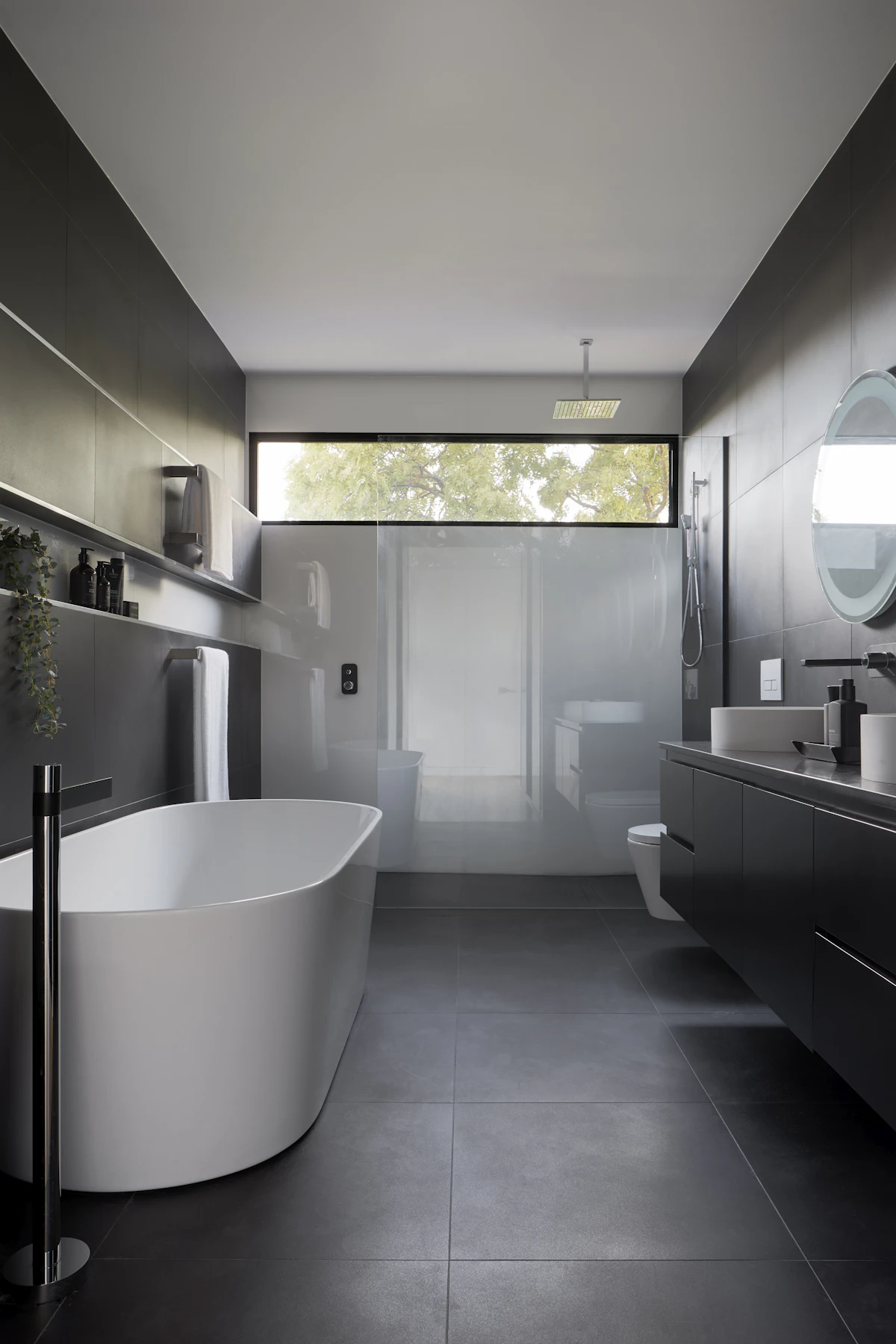
After guiding renovations across Dubai, we've noticed the costly mistakes are rarely dramatic. They're small, reasonable-seeming decisions made early — that become expensive months later. The pattern is almost always the same: a decision made without enough information, or without anyone independent in the room. Here are the nine we see most, what each one costs, and how to avoid it.
1. Starting without a written scope
If it isn't documented, it's negotiable — and it will be negotiated in the contractor's favour. A vague scope is the single biggest cause of renovation overspend, because every ambiguity becomes a paid extra once you've signed and lost your leverage. How to avoid it: before you hire anyone, get the work documented room by room, with quantities and named specifications — specific enough that two contractors could price the exact same thing. A clear scope is the cheapest protection money can buy.
2. Choosing on price alone
The lowest quote usually wins by leaving the most out. You pay the difference later, as variations, at a moment when you have no leverage and no competing quote to fall back on. How to avoid it: compare quotes against one documented scope, not against each other's totals. Our guide to comparing renovation quotes like-for-like shows you how to normalise them so the real ranking appears.
3. Ignoring the exclusions
Homeowners read the total and skip the fine print. The exclusions list — making good, waterproofing, snagging, clean-up, authority fees — is where the real cost hides, and where a cheaper quote quietly became cheaper. How to avoid it: read the exclusions as carefully as the inclusions, and treat a short, vague exclusions list as a warning, not a convenience.
4. Underestimating MEP
Electrical, plumbing and cooling are invisible until they go wrong — and in Dubai's climate, cooling in particular is not the place to economise. Cutting corners on MEP is the renovation equivalent of skipping the foundations: you don't see the saving, but you feel the failure. How to avoid it: protect the MEP budget, and never let "value engineering" quietly downgrade the things behind the walls to fund the things you can see.
5. No contingency
Every honest renovation meets surprises — an opened wall, a services clash, a long-lead material. Without a buffer, the first surprise becomes a crisis and often a rushed, overpriced decision. How to avoid it: budget a 10–15% contingency from the start and treat it as part of the plan, not a failure of it.
6. Paying ahead of progress
Once you've paid for work that isn't done, your leverage is gone — and leverage is the only thing that keeps a project moving on your terms. Large upfront payments, especially to a personal account, are among the clearest warning signs we see. How to avoid it: pay for progress, not promises. A modest mobilisation deposit, staged payments tied to completed milestones, and a retention held until snagging is done keep you protected from start to finish.
7. Approving variations under pressure
"We need a decision today" is how budgets quietly double. Variations are sometimes genuine — but pressure is how unnecessary or overpriced ones get waved through. How to avoid it: insist that every variation is written, priced and signed before the work proceeds, and give yourself the right to say "not today." A contractor confident in the variation will wait for your yes.
8. No independent quality check
Contractors inspect their own work. Without an independent set of eyes, "finished" means whatever they say it means — and problems caught late are far more expensive to fix than problems caught early. How to avoid it: build in independent checks at key stages, not just at the end, so issues surface while they're still cheap and easy to correct.
9. Skipping snagging
The final 5% of a renovation is where quality is won or lost. Snagging — a documented list of defects and unfinished items, signed off before final payment — is the difference between "nearly right" and right. Skipping it means paying in full and losing the leverage to get the last details fixed. How to avoid it: hold a retention until a proper snag list is completed, and don't release the final payment until it is.
Notice the pattern: almost every expensive mistake is a decision made without enough information, or without anyone independent in the room. That's the whole reason we exist.
From a Blueprint before you start, to reading the quotes, to standing beside you on site — we make sure none of these nine happen to you. And if you're still at the hiring stage, start by making sure your contractor is licensed and legitimate.
Renovation mistakes in Dubai — frequently asked questions
What is the most common renovation mistake in Dubai?
Starting without a detailed written scope. If the work isn't documented room by room, every ambiguity is negotiated later in the contractor's favour, as a paid variation. A clear scope is the single cheapest protection on a renovation.
How much extra do renovation mistakes cost?
The cost is open-ended, which is exactly the danger. Undefined scope billed back as variations, a specification downgrade you didn't notice, or paying ahead of progress can each add tens of thousands of dirhams. A 10–15% contingency and a documented scope keep surprises bounded.
Should I pay a large deposit before a renovation starts?
No — pay for progress, not promises. A reasonable structure is a modest mobilisation deposit, staged payments released against completed milestones, and a retention held until snagging is finished. Once you've paid for work that isn't done, your leverage is gone.
Do I need an independent inspection of renovation work?
It's one of the highest-value protections a homeowner can have. Contractors inspect their own work, so without an independent set of eyes, "finished" means whatever they say it means. An independent check at key stages catches problems while they're still cheap to fix.
What is snagging in a renovation?
Snagging is the detailed quality check at the end of a renovation — a documented list of defects and unfinished items that must be corrected before final payment is released. Skipping it means paying in full for work that may be only "nearly right".
How do I avoid renovation mistakes in Dubai?
Document the full scope before you hire, compare quotes like-for-like against that scope, tie payments to completed milestones with a retention, and get an independent review before you sign and independent checks on site. Almost every expensive mistake is a decision made without enough information.
The Renovation Red-Flag Checklist
A one-page checklist of the mistakes that cost Dubai homeowners the most — so none of them catch you. Enter your email and it's yours.
No spam. We take no commissions from contractors or suppliers — ever.
Avoid every mistake on this list.
Book a free strategy session and we'll pressure-test your project for the risks that matter most — before they cost you.